
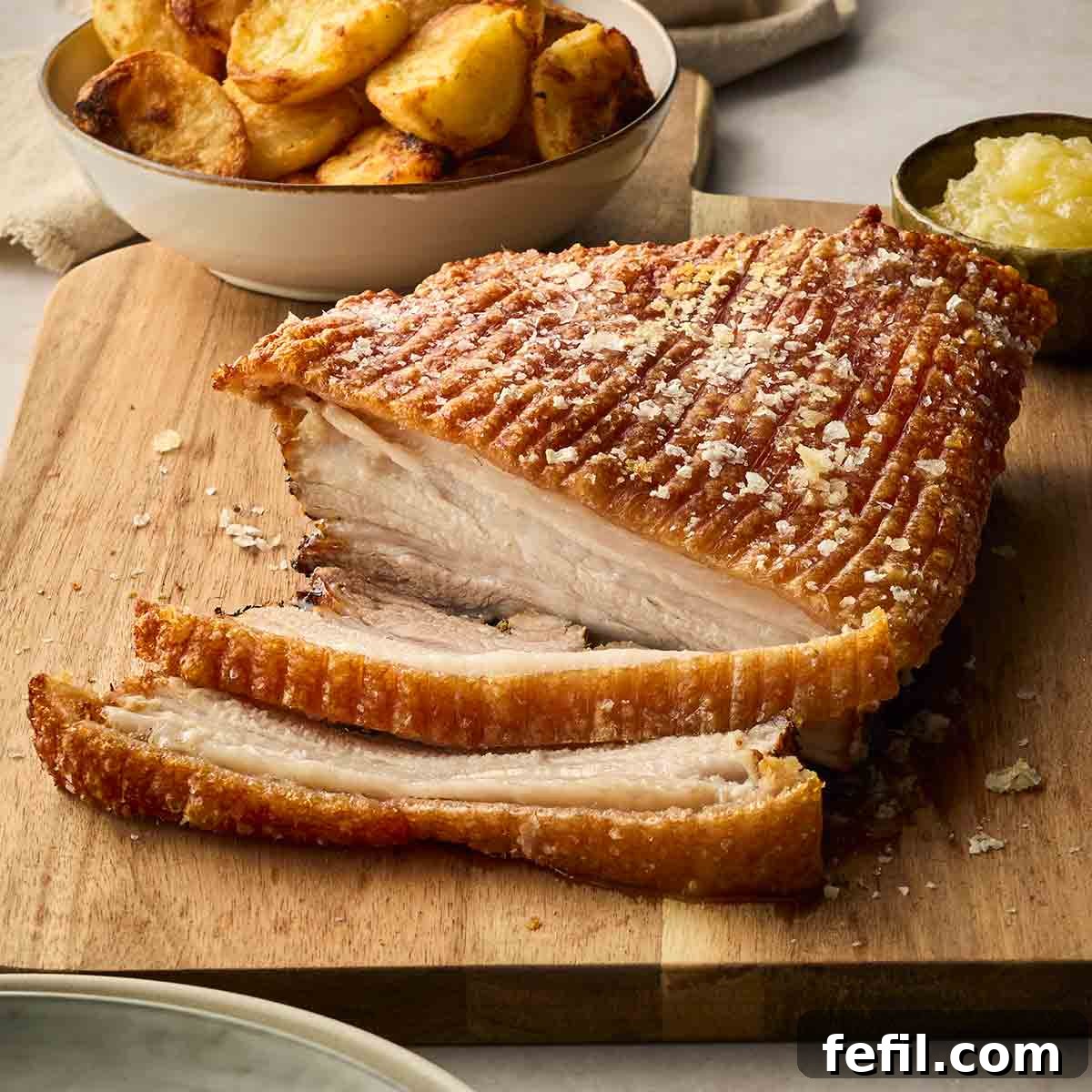
Cooked slowly in a flavourful marinade, this Pork Belly recipe is an excellent choice for a special roast dinner. With juicy meat and a crisp crackling, it’s easier to prepare at home than you might think—follow the clear steps below to get it just right.
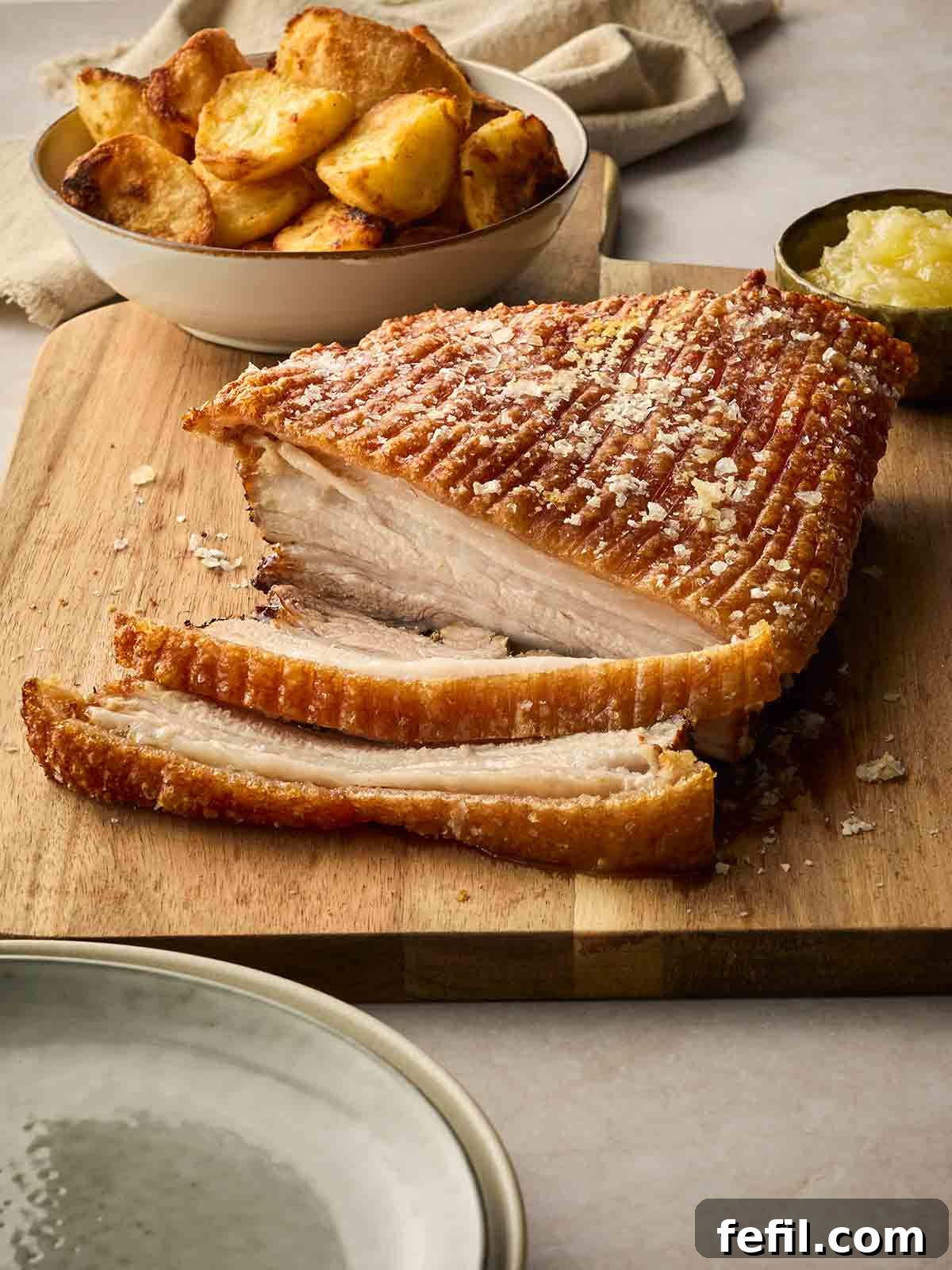
I enjoy turning inexpensive joints of meat into something that feels indulgent. Pork belly is one of those cuts: affordable yet richly flavoured when cooked slowly. Other popular economical pork recipes include slow-cooked pulled pork and gammon, but a roasted pork belly with crackling makes an impressive Sunday centrepiece.
If the idea of cooking pork belly seems daunting, don’t worry—this method is straightforward. A simple rub, a few practical tips and the right oven timings and temperatures are all you need to achieve succulent meat and crunchy skin.
This cut has alternating layers of meat and fat that break down during slow cooking, keeping the flesh juicy while the exterior forms a delightful crackling when it’s prepared correctly. The marinade—black pepper, fennel, thyme and garlic mixed with a neutral oil—adds clean, aromatic notes to the meat without competing with the crackling.
I like to serve this with classic roast accompaniments such as Yorkshire puddings, roast potatoes, braised red cabbage, honey-roasted carrots and parsnips, apple sauce and a rich gravy for a full roast dinner experience.
Why you’ll love this easy Crispy Pork Belly recipe
⭐️ Great value main for a roast dinner
⭐️ Succulent, juicy and full of flavour
⭐️ Simple to prepare with predictable results
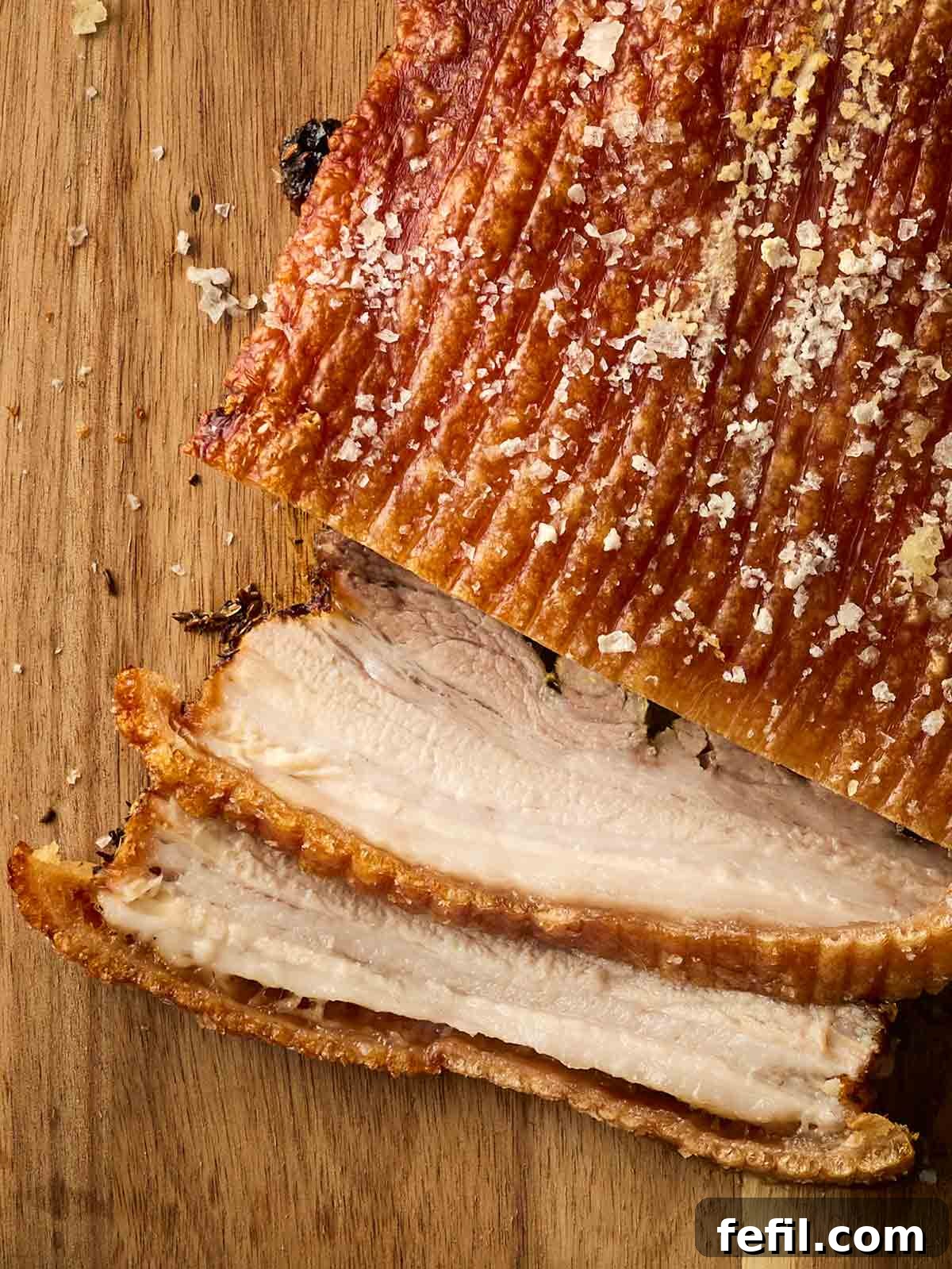
How to get super crispy pork belly crackling
Crisp crackling is a highlight of pork belly. The following practical tips will help you achieve a crunchy rind rather than a soggy one.
- Dry the pork uncovered in the fridge overnight. Exposing the skin to the cold air removes surface moisture, which helps the fat reach higher temperatures and form crackling during cooking.
- Score the skin. Make shallow cuts about 1cm apart, taking care not to cut into the meat. Scoring allows hot air and fat to escape from beneath the skin, promoting even crisping.
- Start at a high oven temperature then reduce it. Begin roasting on high heat to kick-start the crackling, then lower the temperature so the meat can cook through without drying out.
- If the crackling needs more colour, increase the heat briefly. Return the oven to a high temperature for 10–15 minutes if additional browning is required, watching closely to avoid burning.
- Rest the pork uncovered after cooking. Covering the joint traps steam and can soften the crackling; leaving it uncovered preserves the crunch while the meat rests.
Pork Belly Ingredients
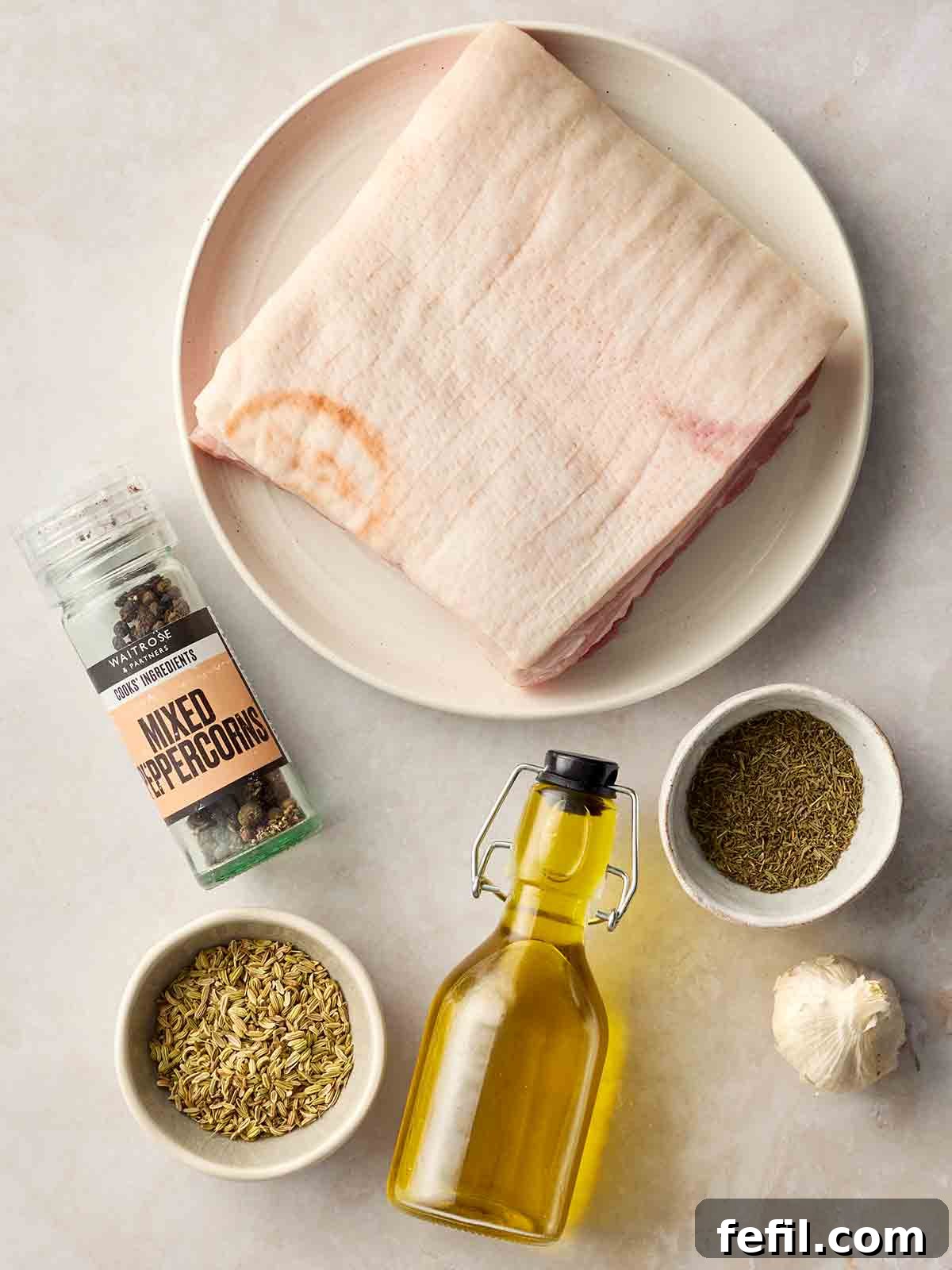
- Pork belly joint – Choose a joint with an even layer of skin. If possible, ask the butcher to score the skin or do it yourself at home. Look for pale, firm meat with no off-odours.
- For the marinade – Black pepper, lightly crushed fennel seeds, dried thyme, crushed garlic and a neutral oil (such as sunflower). Apply the marinade to the underside of the joint, not the skin.
- Flaky sea salt – To rub into the skin to encourage crisping.
How to cook pork belly
1. Score and dry: Pat the pork belly skin dry with kitchen paper. Place the joint skin-side up on a wire rack set over a baking tray and leave uncovered in the fridge overnight to dry the skin thoroughly.
2. Apply rub and salt: Mix black pepper, crushed fennel, dried thyme, crushed garlic and oil into a paste. Rub this seasoning into the underside of the joint only. Rub flaky sea salt evenly into the skin just before cooking.
Leftovers & Storing
In the fridge: Store leftover pork belly wrapped well in the refrigerator for up to 3 days. Reheat thoroughly before serving, or enjoy chilled in salads or sandwiches.
In the freezer: Slice the pork once cooled, then wrap portions tightly in cling film or baking paper and place in a freezer-safe container or bag. Thaw fully in the fridge before reheating until piping hot.
Recipe Tips
Dry the joint overnight
Leaving the pork uncovered in the fridge overnight removes surface moisture and is one of the simplest and most effective ways to achieve crackling.
Scoring the skin
Score the skin every 1cm with a very sharp knife, keeping the cuts shallow and even. This allows hot air to access the skin and helps it crisp uniformly.
If the crackling needs more time
If the crackling hasn’t browned enough, raise the oven back to high heat for 10–15 minutes, watching carefully to prevent burning.
How to know when it’s cooked
Use a meat thermometer to check doneness: the internal temperature should reach about 88–90°C (190–195°F). Cooking to this temperature at a moderate oven setting lets the fat render down while keeping the meat moist.
Resting time
Allow the pork to rest uncovered for 15 minutes before carving. Resting locks in juices and preserves the crackling’s crunch.
Serving
If carving the whole joint is difficult, you can remove the crackling separately and slice the meat. A large, sharp serrated knife makes slicing easier.
More easy roast recipes…
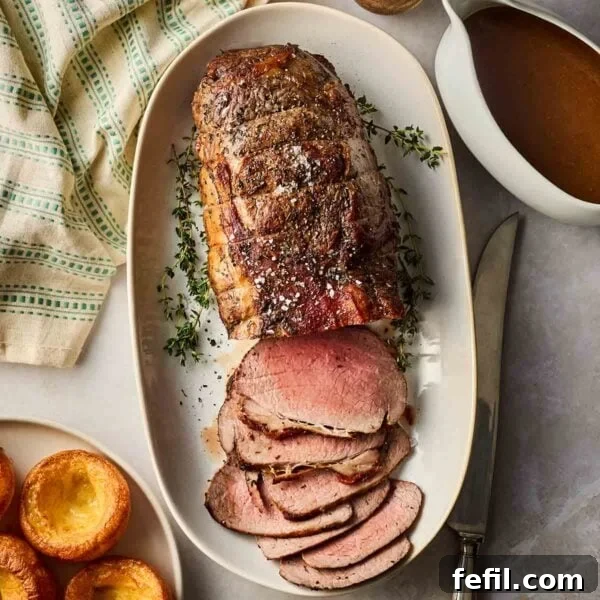
Beef
Roast Beef
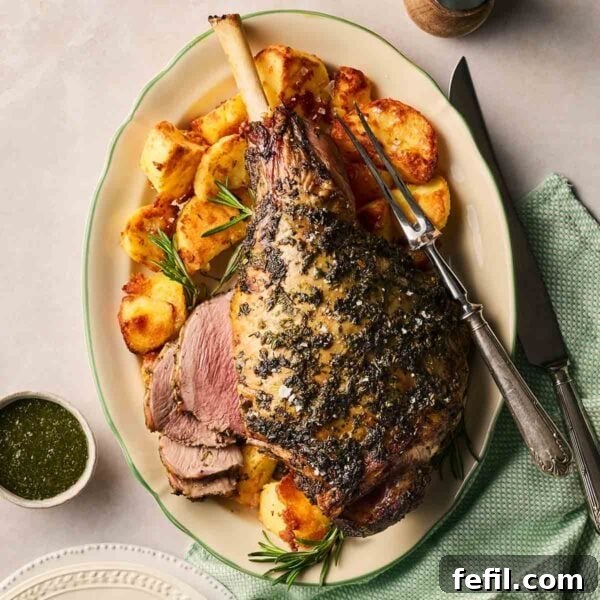
Lamb
Roast Leg of Lamb
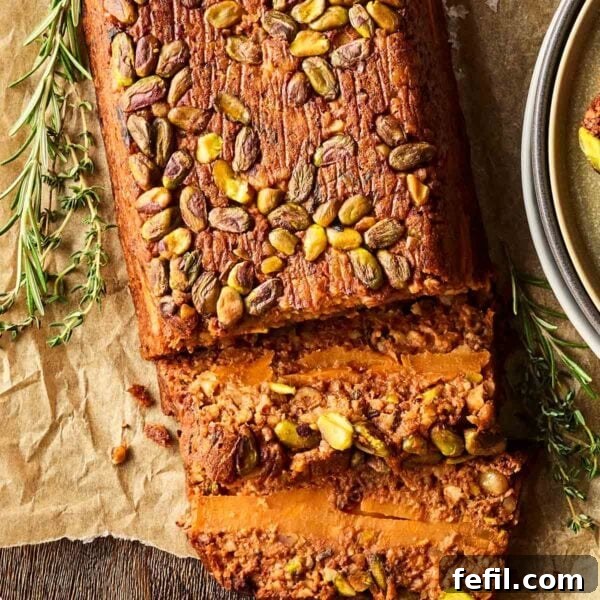
Vegetarian
Nut Roast
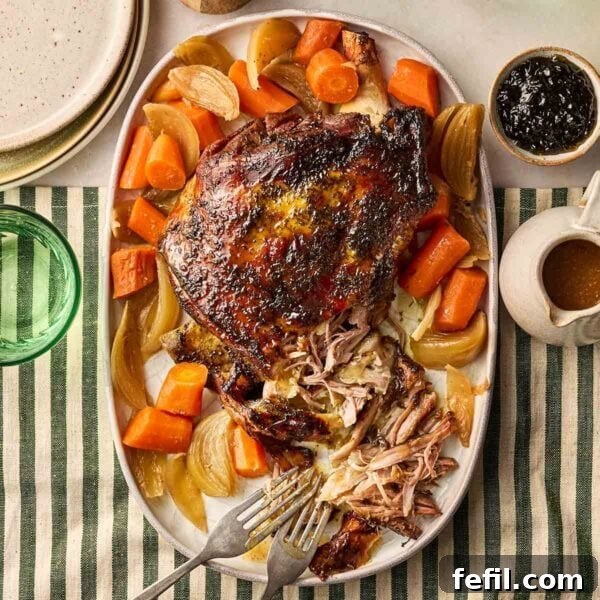
Slow Cooker
Slow Cooker Lamb Shoulder
FAQs
Pork belly is the underside cut of the pig, prized for its alternating layers of meat and fat. It becomes tender and flavourful when slow-cooked, and the thick fat layer can be transformed into crunchy crackling.
A meat thermometer is the most reliable method: aim for an internal temperature of about 88–90°C (190–195°F). This higher internal temperature helps render the fat while keeping the meat moist.
I’d love to hear how your pork belly turns out. Please leave a rating and tell me what you thought of the recipe. If you share pictures of your meal, tag the account you use so others can see your results.
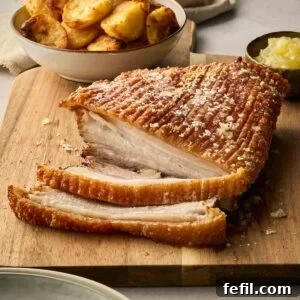
Pork Belly {with Crispy Crackling}
Ingredients
- 750 g (1.6 lb) Pork belly joint, skin on
- 1/2 tsp black pepper
- 1/2 tsp fennel seeds, lightly crushed
- 1/2 tsp dried thyme
- 1 garlic clove, crushed
- 2 tsp sunflower oil (or another flavourless oil)
- 1 tsp flaky sea salt
Instructions
- Dry the pork overnight: Pat the pork belly dry with kitchen paper, especially the skin, and place on a wire rack over a baking tray. Leave uncovered in the fridge overnight to dry the skin fully.
- On the day: Heat the oven to 220°C fan / 240°C / 475°F / Gas Mark 9.
- Prepare the joint: If the skin isn’t already well scored, lightly score it with a very sharp knife about every 1cm, taking care not to cut into the meat below.
- Make the rub: Mix black pepper, crushed fennel seeds, dried thyme and crushed garlic with the oil to form a paste. Rub this into the underside of the pork belly only. Rub flaky sea salt into the skin just before cooking.
- Cook on high, then lower: Place the pork on the wire rack over the baking tray. Roast for 25 minutes at the high temperature, then reduce the oven to 160°C fan / 180°C / 350°F / Gas Mark 4 and continue roasting for 1 to 1½ hours. Check that the internal temperature reaches 88–90°C (190–195°F) and that the crackling is hard and crisp.
- Rest and serve: Leave the pork to rest uncovered for 15 minutes before slicing and serving to preserve the crackling’s texture.
Did you make this recipe? Please leave feedback and a rating to share how it turned out.
Notes
Dry the pork overnight: This step is key to achieving crisp crackling—dry skin crisps more reliably in the oven.
Scoring: Score evenly, about 1cm apart, making shallow cuts through the skin only. This encourages uniform crisping.
If more colour is needed: If the crackling hasn’t browned enough, increase the oven to a high temperature for 10–15 minutes while watching carefully to avoid burning.
Doneness: Use a meat thermometer and aim for 88–90°C (190–195°F) internal temperature so the fat has rendered and the meat remains juicy.
Resting: Rest the joint uncovered for 15 minutes. This keeps the crackling crisp while the meat relaxes and redistributes juices.
Serving tip: If carving is tricky, remove the crackling first and slice the meat with a large sharp knife or serrated blade.
Nutrition
Calories: 992 kcal
Carbohydrates: 1 g
Protein: 18 g
Fat: 101 g (Saturated fat: 36 g)
Cholesterol: 135 mg
Sodium: 642 mg
Potassium: 359 mg
Fiber: 0.2 g
Sugar: 0.01 g
Vitamin A: 25 IU | Vitamin C: 1 mg | Calcium: 18 mg | Iron: 1 mg
Nutrition information is automatically calculated and should be used as an approximation. Values are per portion unless stated otherwise.