
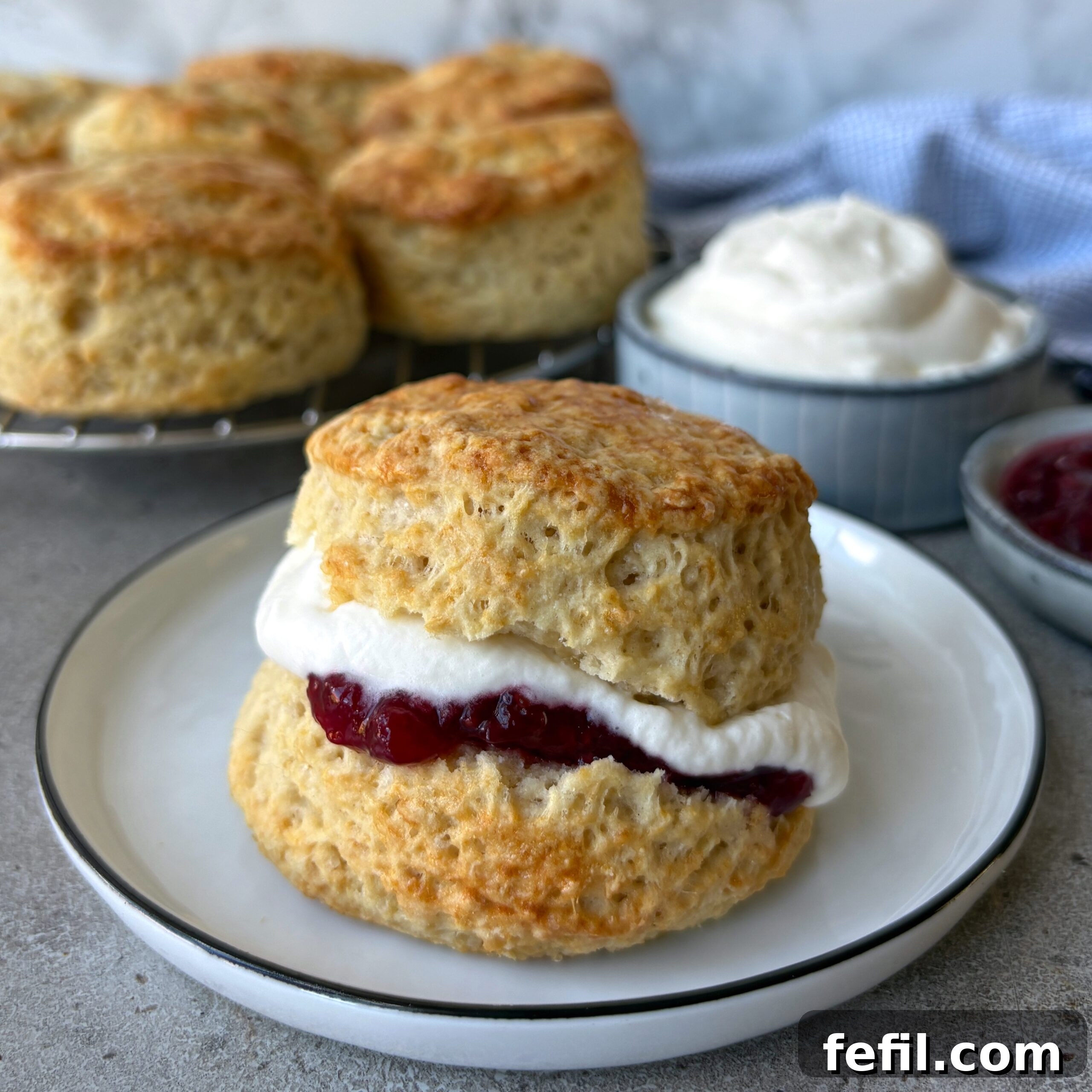
My go-to breakfast or afternoon treat, these simple buttermilk scones are flaky, buttery, and satisfyingly rich. They’re quick to make, easy to adapt with different add-ins, and excellent for preparing ahead. This recipe is straightforward enough for a weekday morning yet special enough for a leisurely weekend brunch or a small gathering.
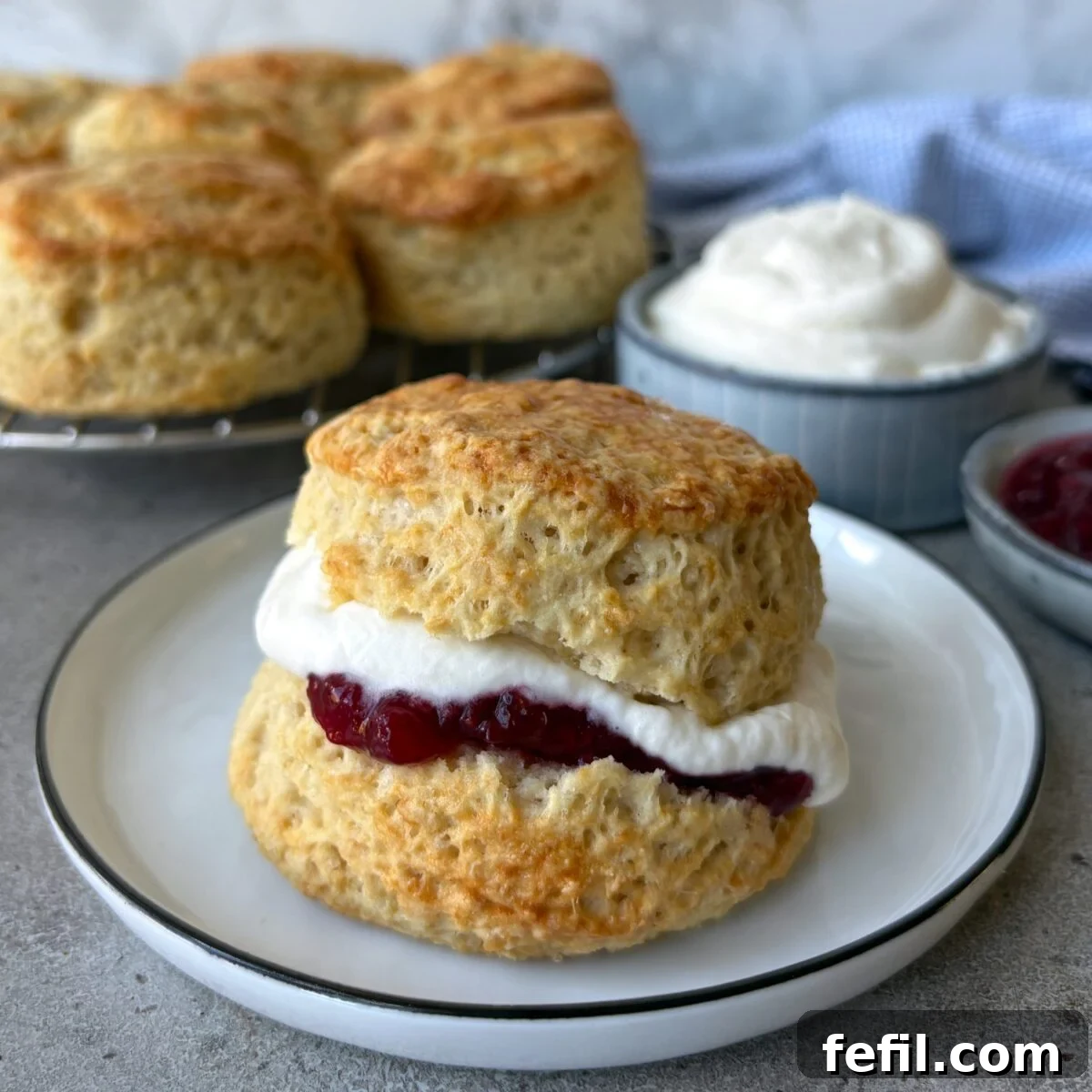
When mornings are rushed I keep things simple with quick smoothies, but when I have time I love to slow down with a warm cup of tea and a freshly baked scone. These scones have a bakery-quality appearance and taste, and they’re always a hit with family and guests. They’re delightful on their own, but I often serve them with whipped cream and a spoonful of jam.
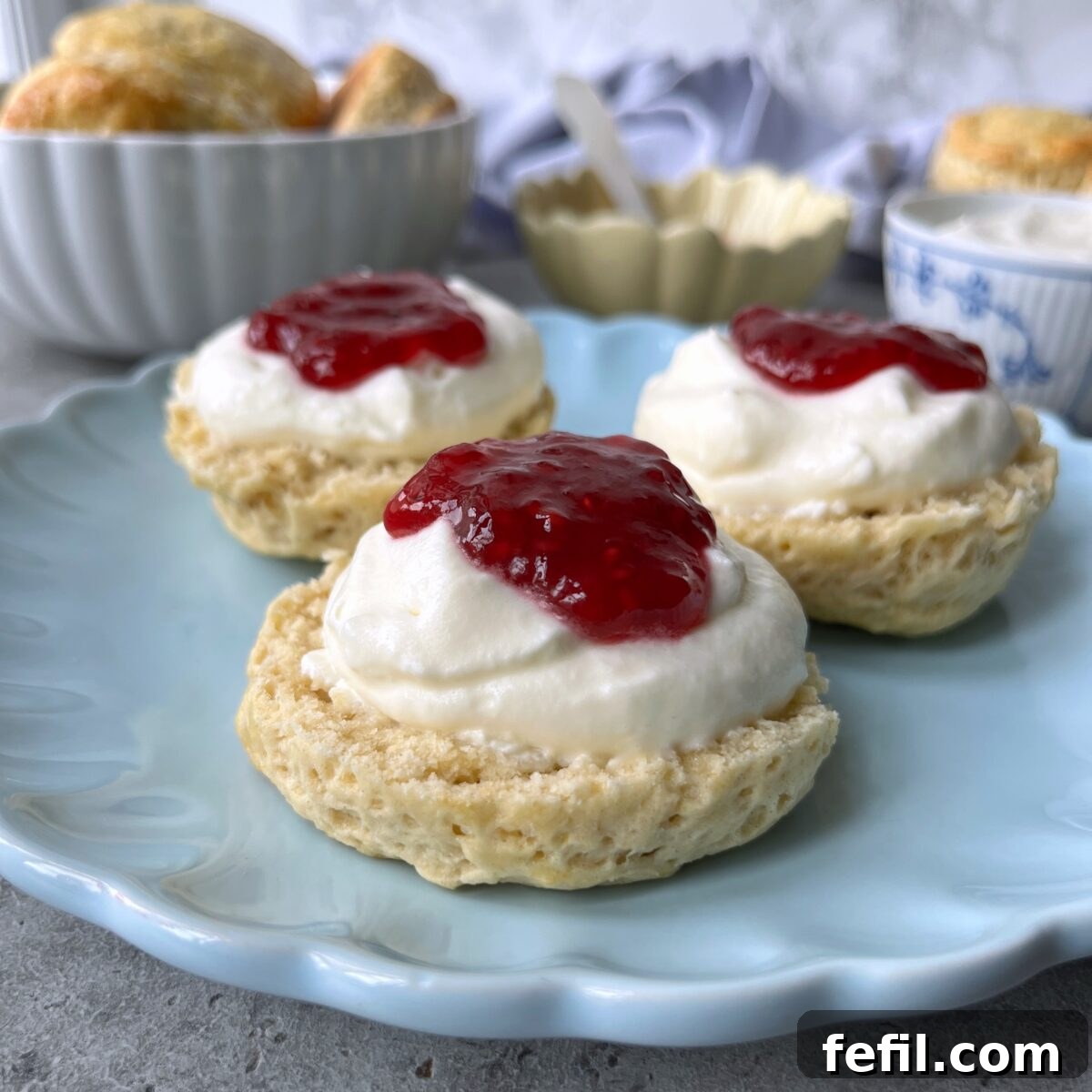
I like to change the fillings with the seasons — berries in summer, citrus zest in spring, or warmed dried fruit in autumn. Whether you’re baking for a quiet morning or hosting a brunch, homemade scones are a comforting and versatile choice.
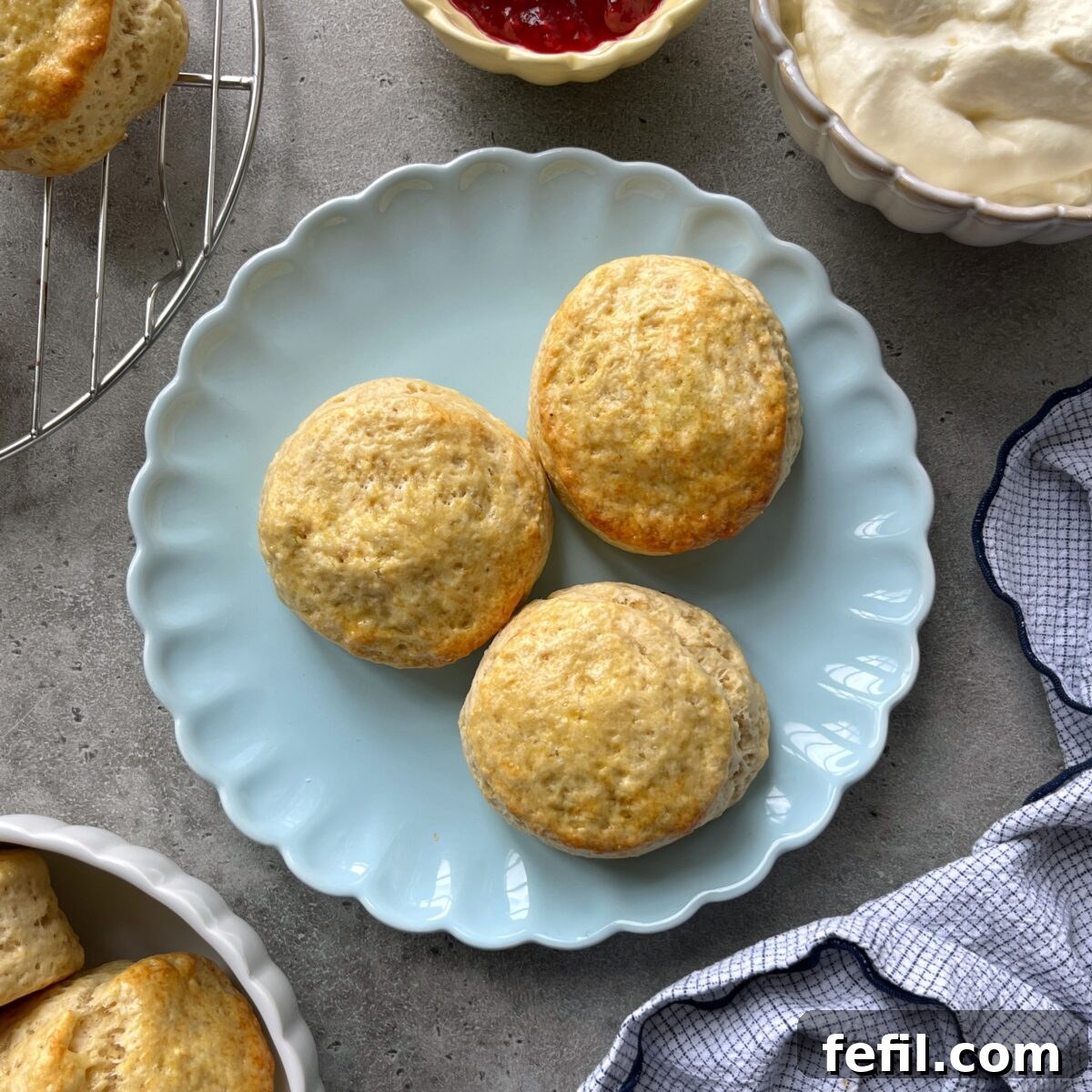
❤️ Why You’ll Love Buttermilk Scones
- Easy, one-bowl recipe with minimal fuss.
- Comforting, tender, and buttery.
- Great as an all-day snack or for brunch.
- Highly customizable — sweet or savory variations work equally well.
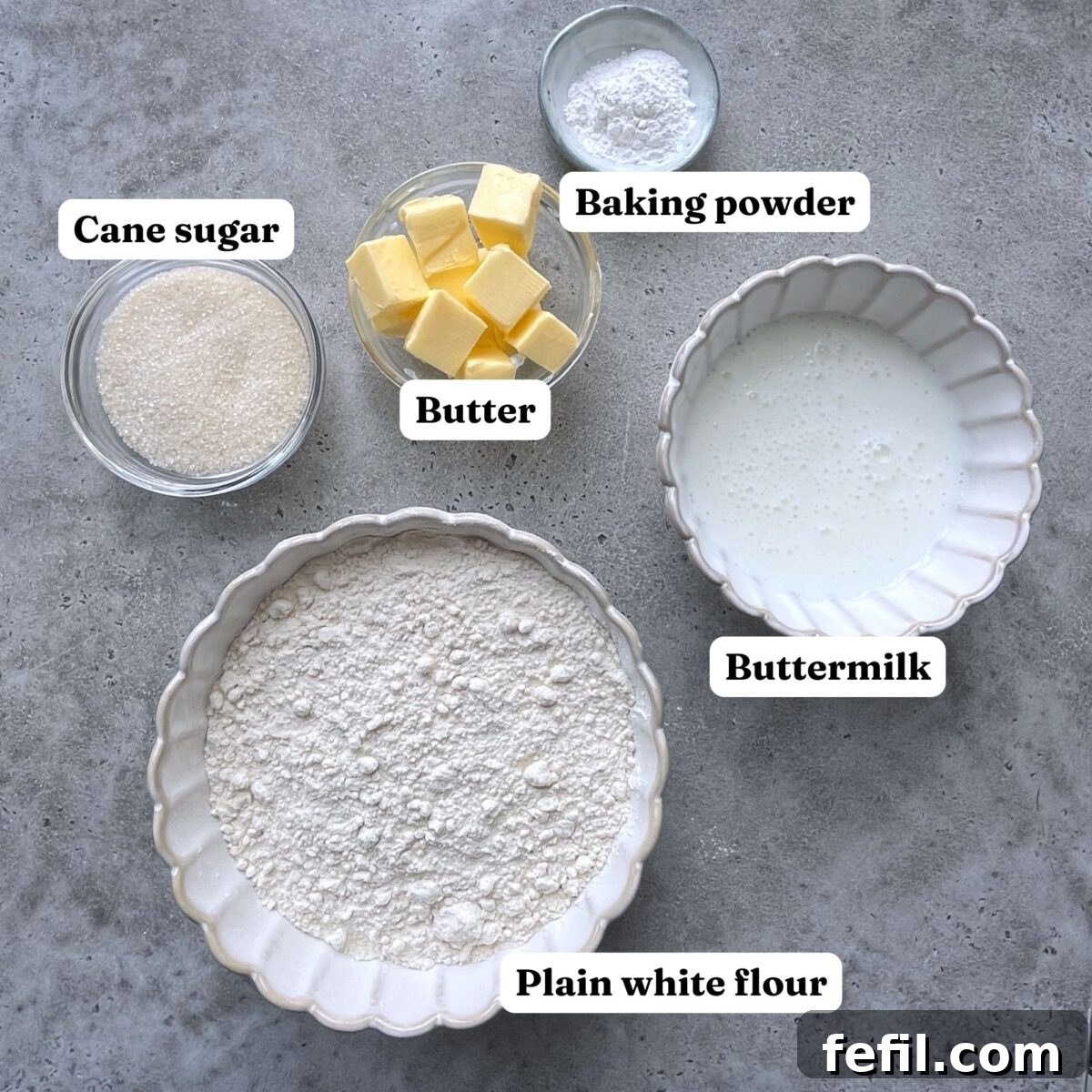
Buttermilk Scones Ingredients
See the recipe card further below for exact quantities and timings.
- Plain white flour (all-purpose): the base of the dough; no need to sieve.
- Buttermilk: cold is best to help keep the butter chilled in the dough. Kefir can be substituted.
- Baking powder: gives lift and a light crumb.
- Butter: cold and cubed; salted or unsalted both work.
- Cane sugar: adds a touch of sweetness (reduce for savory scones).
- Egg: used for an egg wash to give the tops a golden finish.
How to Make Buttermilk Scones
- Preheat the oven to 180°C (356°F) fan and line a baking sheet with parchment paper.
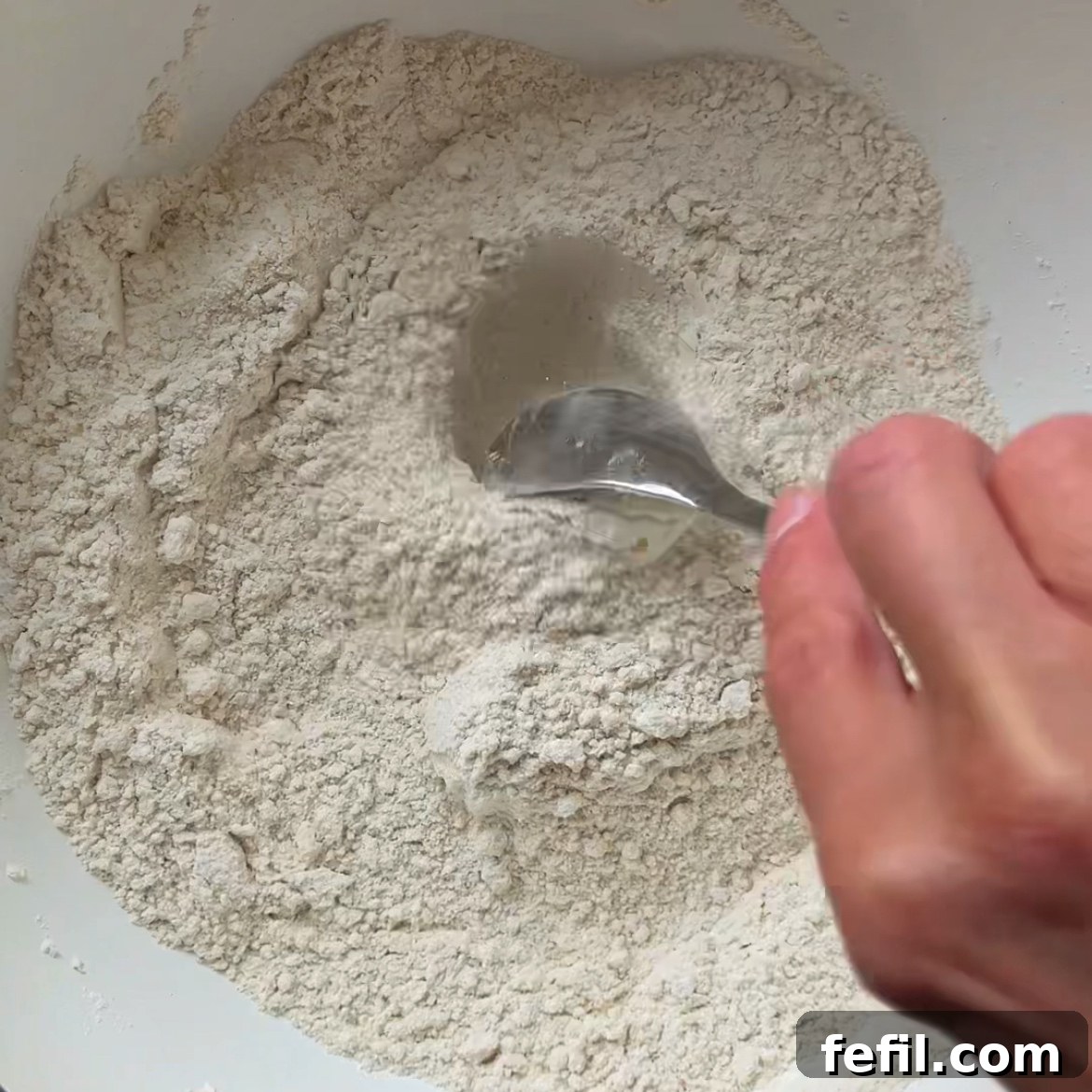
- Combine dry ingredients: In a medium bowl, mix the flour, baking powder, and sugar.
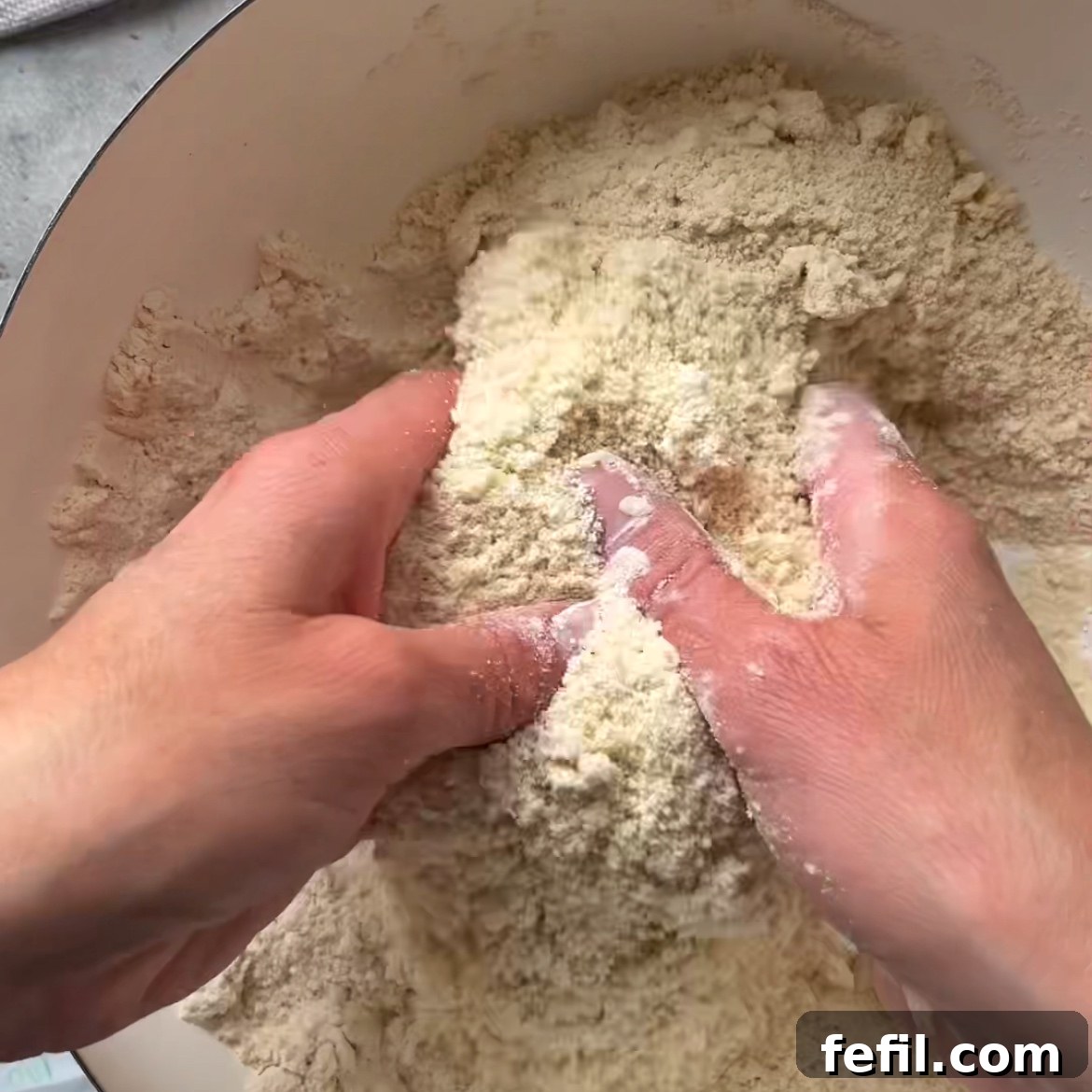
- Work in the butter: Add cold cubed butter and rub it into the flour with your fingertips or a pastry cutter until the mixture resembles coarse crumbs.
- Add the buttermilk: Pour in the cold buttermilk and gently bring the dough together. Handle the dough as little as possible to keep it tender.
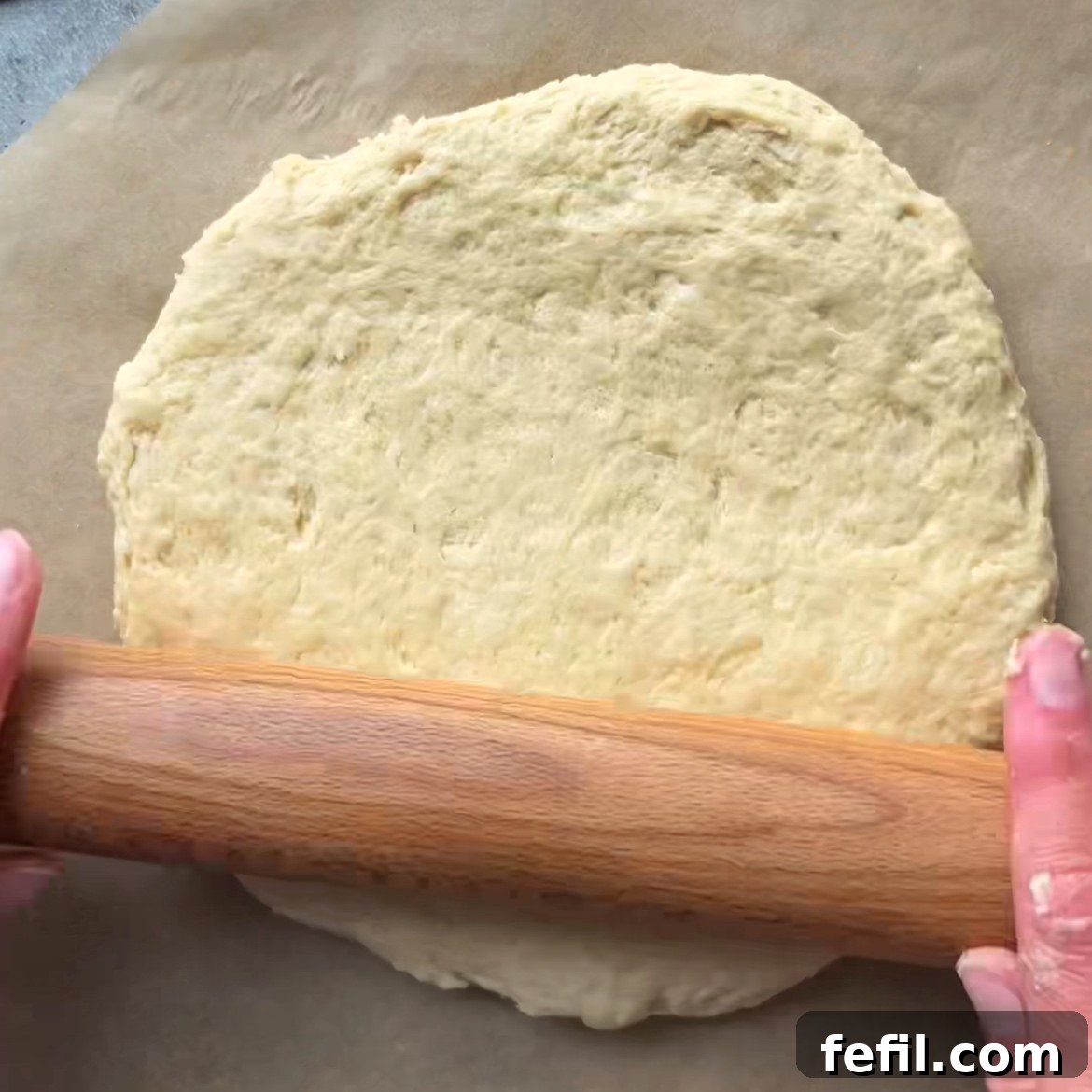
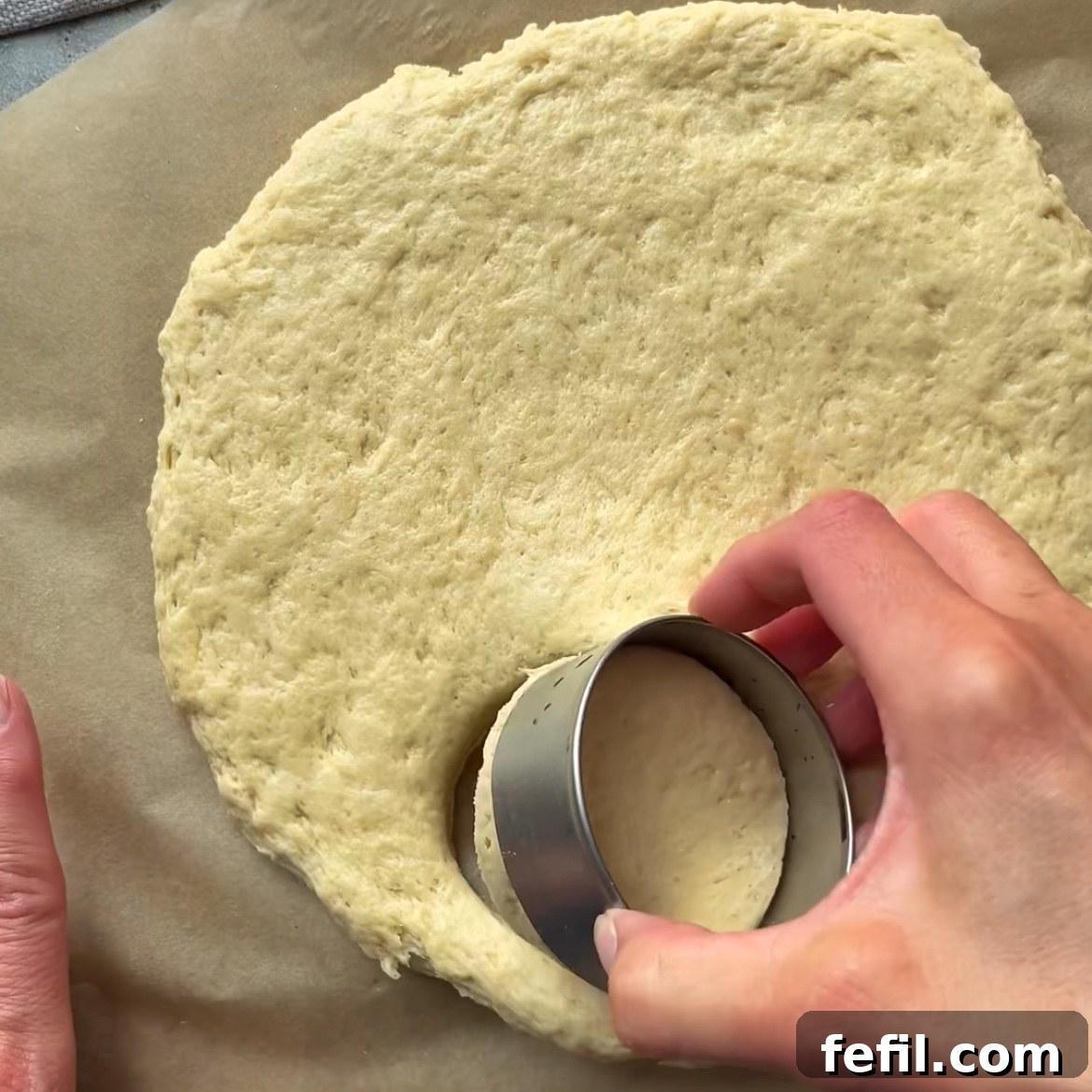
- Shape and chill: Roll the dough out to about 2–3 cm (one inch) thick, cut into rounds with a cutter, and place the unbaked scones on the prepared sheet. Chill in the fridge for 20–30 minutes to keep the butter cold.
- Egg wash and bake: Brush the tops with beaten egg (or milk), then bake for about 12–15 minutes until the scones are golden on top and cooked through.
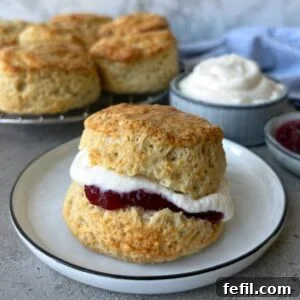
- Serve: Split the scones and serve warm with clotted cream, whipped cream, butter, and your favorite jam.
Tips for Success
- Keep the butter very cold — this creates flaky layers as the scones bake.
- Chill the unbaked scones for 20–30 minutes before baking to help them rise and hold their shape.
- Do not overwork the dough; overmixing develops gluten and will produce dense, chewy scones.
- For a tender crumb, gently pull the scone apart with your hands rather than using a knife.
- If the dough feels dry, add a splash more buttermilk; if too sticky, add flour one tablespoon at a time.
Possible Variations
- Swap plain flour for pastry flour for an even lighter texture.
- Use kefir in place of buttermilk or make a quick buttermilk by adding 1 tablespoon lemon juice to 170 ml milk and letting it sit for a few minutes.
- Brush with milk instead of egg for a gentler finish, or skip the wash for a matte top.
- Toppings: coarse sugar, cinnamon sugar, a light brush of honey or maple syrup after baking.
- Add-ins: vanilla, chocolate chips, toasted coconut, fresh berries, citrus zest, nuts, or dried fruits like raisins, cranberries, or dates.
Savory Scones
To make savory scones, reduce the sugar to 10–20 grams and add a pinch of sea salt, shredded cheese, chopped fresh herbs, chili flakes, or diced cooked bacon or ham. Roasted garlic also makes a lovely savory option.
Best Served with
- Clotted cream, whipped cream, or softened butter, plus your favorite jam.
How to Store Leftovers
Scones are best eaten the day they’re baked but will keep for 2–3 days stored in an airtight container at room temperature. To refresh day-old scones, reheat in a low oven or the toaster until warmed through.
FAQs
Both orders are traditional: Cornish-style prefers jam first, then cream; Devon-style is cream first, then jam. Choose the order you enjoy most.
Yes. You can mix the dough and shape the discs 1–2 days in advance, then cover and refrigerate until ready to bake.
Yes. Freeze them in a single layer and bake from frozen, adding a few extra minutes to the baking time.
Warm them in a 100°C (212°F) oven for 5–10 minutes or toast halved scones until heated through.
If crumbly, add a little more buttermilk. If sticky, add flour a tablespoon at a time until it’s workable.
A mixer can overwork the dough and make scones dense. Rubbing in the butter by hand is best for a light texture.
If you try this recipe, I’d love to hear how it turns out — please leave a comment or rating below the recipe if you can. Enjoy baking and sharing these tender, flaky scones with friends and family.
Buttermilk Scones
15 mins
12 mins
27 mins
Equipment
- round medium cutter
Ingredients
- 350 grams plain white flour
- 2 teaspoons baking powder
- 85 grams butter, cubed, cold
- 80 grams cane sugar
- 170 grams buttermilk, or kefir
- 1 egg, (for the egg wash)
Instructions
- Preheat the oven to 180°C (356°F) fan.
- Mix the flour, baking powder, and sugar in a medium bowl.
- Add the butter and use your fingers to rub it into the flour until the mixture looks like coarse crumbs.
- Pour in the buttermilk and knead gently for about 2 minutes until the dough comes together.
- Roll the dough on parchment paper to a thickness of about 2–3 cm (one inch).
- Cut out rounds with a cutter, gather scraps, and repeat. Aim for about 10 scones.
- Chill the unbaked scones in the fridge for 20–30 minutes.
- Arrange the scones on a lined baking sheet and brush the tops with egg wash.
- Bake for about 15 minutes until golden brown on top and bottom.
- Serve warm with clotted cream or whipped cream and your favorite jam.
Nutrition
Nutrition information is an estimate and should be used as a guideline only.